Chokin’ in the Sea
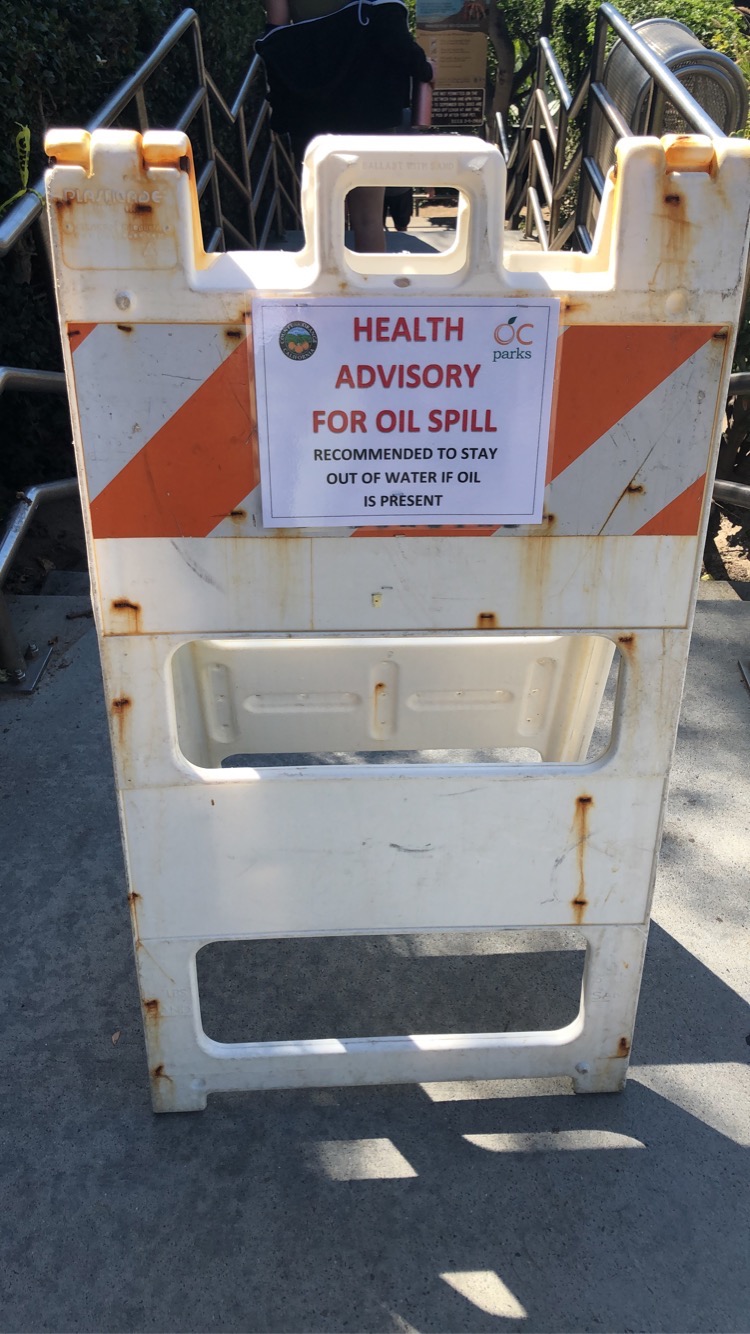
The Huntington Beach oil spill served as a wake-up call decimating the natural ecosystem of the Southern Californian shore. The morning of October 2, 2021, saw a sixteen-mile stretch of Pacific coastline reflecting an insidious coat of petroleum.
One gallon of crude oil has the potential to pollute up to one million gallons of water, meaning twenty-five billion gallons were ultimately poisoned as a direct result of the Amplify pipeline explosion. Struck by multiple anchors in passing, the reservoir cracked before ultimately expelling its contents on aquatic fauna. The National Transportation Safety Board traced the incident to multiple container ships, namely the MSC Danit and Cosco Beijing. Despite a series of alerts sounding accurately from the leak detection network located at their Beta Field facility, company employees disregarded the above as false alarms.
Local marine life at Laguna bore witness to the biohazard. Suffocating vibrant underwater fronds by shielding sunlight from facilitating vital interactions among symbiotic algae, kelp forests coated in fuel surfaced a shade of obsidian. Meanwhile, recovery timelines for reefs span decades to centuries. In response, Governor Newsom declared a state of emergency to address the environmental impact.
Public beaches were shut down as mobilized cleanup crews extracted toxic waste and bituminous debris, primarily tar balls and oiled sand. Further prompting class action lawsuits on the part of civilians directly devastated by the oversight, this Texas company’s breach has ignited national outrage, with contamination likely to persist for the next decade.
0 Comments Add a Comment?